Keeping Your Vertical Garden Healthy + Pest Control
Introduction
Vertical gardens are a beautiful way to bring greenery into small spaces. However, maintaining their health and protecting them from pests is essential for their longevity. In this article, we will discuss some tips on keeping your vertical garden healthy and effective pest control methods.
1. Choose the Right Plants
Start by selecting plants that are well-suited for vertical growth. Opt for varieties that thrive in your specific climate and light conditions. Consider using a mix of trailing plants, foliage plants, and flowering plants to create a visually appealing display.
2. Proper Watering
Ensure your vertical garden receives adequate water. Monitor the soil moisture regularly and adjust your watering schedule as needed. Overwatering can lead to root rot, while underwatering can cause plants to wilt and die.
3. Provide Adequate Light
Most plants require sufficient light to photosynthesize and grow. Place your vertical garden in a location that receives the right amount of sunlight for the plants you have chosen. If natural light is limited, consider using grow lights to supplement.
4. Fertilize Regularly
Keep your vertical garden healthy by fertilizing the plants regularly. Choose a balanced fertilizer and follow the instructions for application. Fertilizing helps replenish nutrients in the soil and promotes healthy growth.
5. Pest Control
Pests can wreak havoc on your vertical garden if left unchecked. Here are some natural pest control methods:
Companion Planting
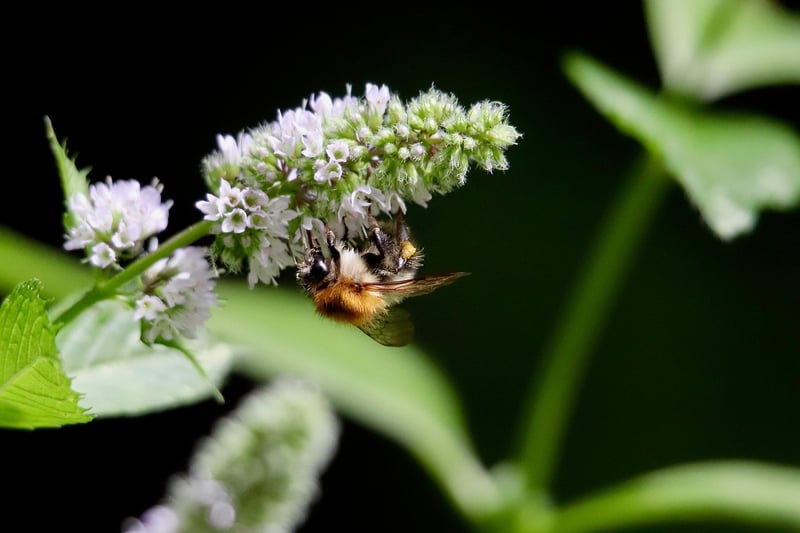
Some plants naturally repel pests. Consider companion planting with herbs like basil, mint, or lavender to deter insects.
Neem Oil Spray
Neem oil is an effective organic insecticide that can help control pests like aphids, mites, and whiteflies. Mix neem oil with water and a few drops of dish soap and spray it on the affected plants.
Diatomaceous Earth
Diatomaceous earth is a natural powder that can be sprinkled on plants to control pests like slugs, snails, and ants. It works by dehydrating insects and is safe for plants and pets.
Beneficial Insects
Introduce beneficial insects like ladybugs or lacewings to your vertical garden. These insects feed on harmful pests and help maintain a natural pest balance.
Conclusion
By following these tips for maintaining a healthy vertical garden and implementing natural pest control methods, you can enjoy a thriving green space in even the smallest of areas. Remember to regularly inspect your plants for signs of pests and diseases to catch any issues early.